Enneagram
+ Tritype
What is Enneagram?
The Enneagram is a system that measures a person’s fears, desires, and vices that stem from childhood upbringing and later drive their behavior in adulthood. Thus, the Enneagram helps provide insight into the reason “why” a person makes certain actions and decisions, as they are motivated by their fears, desires, and vices.
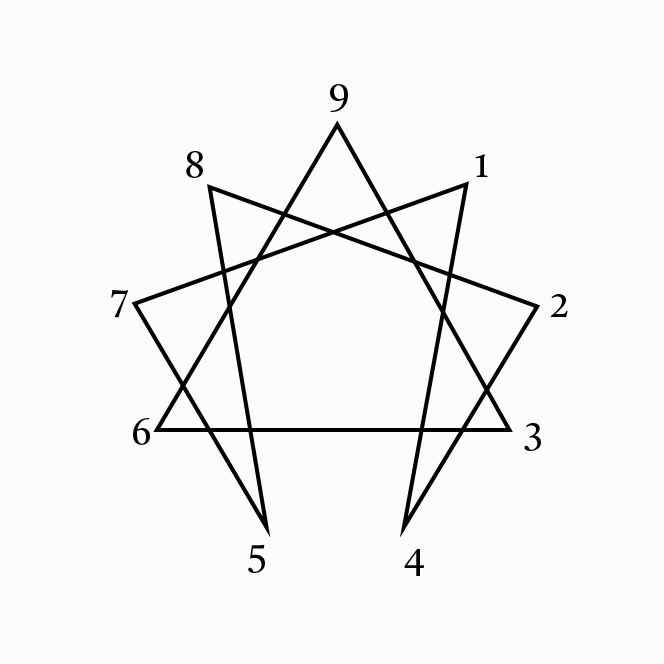
There are nine Enneagram types. These types are divided into three groupings called triads: the Gut Triad, the Heart Triad, and the Head Triad. They are also called the Three Centers: the Body Center, the Heart Center, and the Head Center. Each triad has an internal conflict with one specific emotion. One type chooses to suppress it (Types 2, 7, and 1), another denies it (Types 3, 6, and 9), and another embraces it (Types 4, 5, and 8).
Wings:
Each type has two wings, these are the numbers next to one’s type. For example for Type 9s their wings are 8 and 1 (9w8 and 9w1). The w stands for wing. Another example is Type 1 whose wings are 9 and 2 (1w9 and 1w2).
A person’s wing when a person, despite being a specific type, takes traits and aspects of the types next to their main type. The wing merely shows traits and aspects a person associates with the most. For instance one may be Type 6 and have traits of both Type 5 and Type 7, yet align more with the aspects of Type 7, and ergo be 6w7.
Tritype:
The theory says that, despite our main type, we all have one particular type we identify with in each triad. These are called fixes. For instance, one may be a 4w3 yet identify with Type 7w8 as their head type and 9w8 as their gut type. The order does matter, as the more a type is to the right, the higher it is and therefore the more important it is. Returning to our example, if the person identified more with 9w8 than 7w8, they would be 4w3 9w8 7w8, though we would simply write it as 497. The reason the 4 comes before the 9 is that, since 4 is the main type, it is the person’s main fix and is therefore more important in terms of order. The 9 or the 7 could never come before the 4, as this would mean that the person is not actually 4w3, but 9w8 or 7w8, depending on which one goes first.
The history of Enneagram, Wing and Tritype
Enneagram:
The Enneagram is a personality typology that identifies nine interconnected personality types. Its origins are debated, with some tracing the symbol back to ancient traditions, including Pythagorean geometry and Sufi mysticism. In the early 20th century, philosopher George Gurdjieff introduced the Enneagram figure to the West, though he did not link it to personality types. The contemporary Enneagram of Personality was developed by Bolivian philosopher Oscar Ichazo in the mid-20th century, who connected the symbol to nine ego fixations and corresponding passions. Chilean psychiatrist Claudio Naranjo further expanded and popularized the system in the 1970s, integrating it with modern psychology and introducing it to a broader audience.
Wings:
The concept of wings in the Enneagram was introduced by Oscar Ichazo in the mid-20th century as part of his teachings on the system. He proposed that an individual’s core type could be influenced by one of the two types adjacent to it on the Enneagram diagram. This idea was further developed by Claudio Naranjo and later Enneagram teachers, who saw wings as a way to add depth and nuance to personality analysis. The purpose was to explain variations within each type, showing how adjacent influences shape behaviors and motivations.
Tritype:
Tritype theory was developed by Katherine Chernick Fauvre during her qualitative Enneagram research in 1994, where she argued that people do not use only one core Enneagram type, but instead draw from three types, one from each center: Head types 5-6-7, Heart types 2-3-4, and Gut types 8-9-1. Before the name Tritype, Fauvre says she taught the idea under terms like 3Types, TriCenter, and Trigrams from 1994–1996, then used Trifix from 1997–2007, before renaming her work Tritype® in 2007. Historically, Tritype builds on older Enneagram foundations from Oscar Ichazo, who connected the Enneagram symbol to ego fixations, and Claudio Naranjo, who developed the modern psychological Enneagram further; Fauvre’s contribution was specifically the idea that a person has a preferred stacking of three fixes that combine into a distinct pattern of motivation, defense, and worldview.
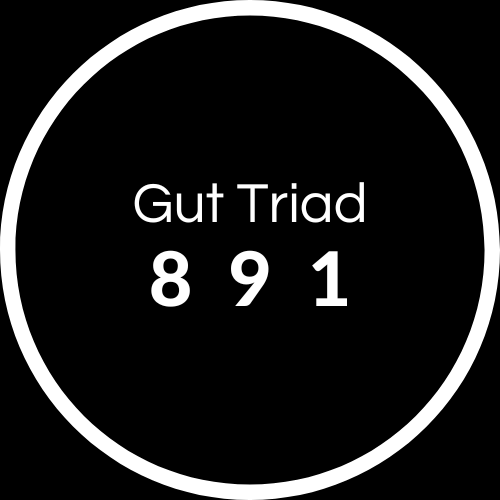
Gut or Instinctive Triad
Rage (Gut Triad): Types 8, 9, and 1 process experiences through instinct and action, with rage as a central emotional theme. This anger can manifest as direct confrontation (Type 8), internalized resentment (Type 1), or passive resistance (Type 9).
Type 8 – The Challenger / Protector
Core Fear: Being controlled or harmed.
Core Desire: To protect themselves and remain in control.
Key Traits: Assertive, powerful, protective, confrontational. Values strength and justice, dislikes vulnerability.
Type 9 – The Peacemaker / Mediator
Core Fear: Conflict and disconnection.
Core Desire: To have inner peace and harmony.
Key Traits: Easygoing, accepting, complacent, supportive. Tends to avoid conflict and can lose themselves in others’ agendas.
Type 1 – The Reformer / Perfectionist
Core Fear: Being corrupt, bad, or defective.
Core Desire: To be good, ethical, and right.
Key Traits: Principled, responsible, idealistic, self-disciplined, can be critical or perfectionistic. Strong sense of right and wrong.
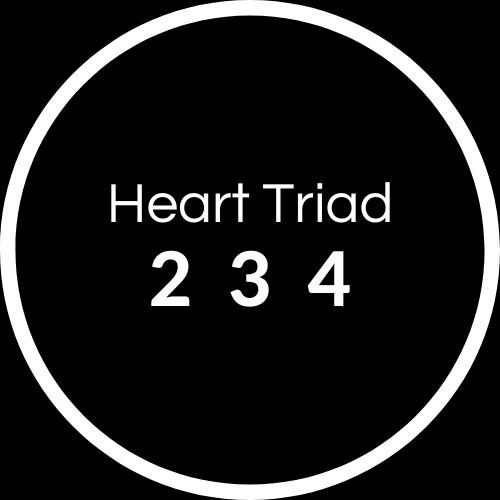
Heart or Feeling Triad
Shame (Heart Triad): Types 2, 3, and 4 are attuned to emotional connections and self-image, with shame influencing their self-worth and interactions. This can lead to behaviors aimed at earning approval (Type 2), achieving success to feel valued (Type 3), or seeking uniqueness to establish identity (Type 4).
Type 2 – The Helper / Giver
Core Fear: Being unloved or unwanted.
Core Desire: To feel loved and needed.
Key Traits: Caring, generous, people-pleasing, supportive, but can become possessive or manipulative to feel needed.
Type 3 – The Achiever / Performer
Core Fear: Being worthless or failing.
Core Desire: To be valuable and admired for success.
Key Traits: Ambitious, adaptable, image-conscious, efficient, driven by recognition and achievement. May struggle with authenticity.
Type 4 – The Individualist / Romantic
Core Fear: That they have no identity or personal significance.
Core Desire: To find themselves and their unique significance.
Key Traits: Deep, expressive, sensitive, self-aware, often melancholy or dramatic. Craves authenticity and emotional depth.
Head or Thinking Triad
Fear (Head Triad): Types 5, 6, and 7 engage with the world through thinking and planning, with fear driving their search for security and certainty. This may result in withdrawal to gain knowledge (Type 5), seeking guidance and support (Type 6), or pursuing new experiences to avoid anxiety (Type 7).
Type 5 – The Investigator / Observer
Core Fear: Being helpless, incapable, or overwhelmed.
Core Desire: To be competent and self-sufficient.
Key Traits: Analytical, curious, private, cerebral, often withdrawn. Values knowledge and independence over emotional expression.
Type 6 – The Loyalist / Skeptic
Core Fear: Being without support, security, or guidance.
Core Desire: To have security and certainty.
Key Traits: Loyal, responsible, cautious, anxious, often anticipates danger. Can be highly trustworthy but also suspicious or indecisive.
Type 7 – The Enthusiast / Adventurer
Core Fear: Being deprived or trapped in emotional pain.
Core Desire: To be happy, satisfied, and free.
Key Traits: Fun-loving, spontaneous, optimistic, scattered. Avoids discomfort through constant activity and mental stimulation.
The emotions of rage, shame, and fear are chosen because they play a central role in the human psyche, especially during a person’s formative years in childhood.
Enneagram Childhood Descriptions
+ Core Wound + Lost Childhood Message, As Per Beatrice Chetnut, Clausdio Naranjo, Don Riso and Russ Hudson
Type 1:
In this frame, Ones often grow up feeling that love, respect, or recognition are tied to being good, controlled, responsible, and beyond reproach. Chestnut emphasizes that many Ones learned early that spontaneity, play, and free imagination were not really welcome, while Naranjo describes a childhood atmosphere of excessive demands with too little acknowledgment, creating the feeling that the child must keep proving moral worth. The lost message, paraphrased, is that it is okay to make mistakes and you are already good.
The core wound is: “If I am not good, right, and in control, I may lose love, worth, or legitimacy.”
Type 2:
Twos are often described as children who learned that connection came through pleasing, helping, and becoming important to others. Chestnut says many Twos came to feel shame around their own needs and emotions, while Naranjo describes the pattern of the child becoming a “little mother,” carrying adult responsibility, and keeping parents happy so that love, attention, and approval would keep flowing. The lost message is that your own needs are legitimate and you are wanted for who you are, not just for what you give.
The core wound is: “If I have needs, I may lose love; to be loved, I must be indispensable.”
Type 3:
Threes are usually framed as children who adapted by performing, achieving, and becoming impressive because that felt safer than being vulnerable. Chestnut links this to an early lack of protection and a need to become a doer, while Naranjo says many Threes reacted to not being seen or heard enough and to a sense that they could not fully count on others, so success became a route to attention and love. The lost message is that you are loved for yourself, and your feelings and identity matter apart from performance.
The core wound is: “If I do not achieve and look successful, I may be invisible, worthless, or unloved.”
Type 4:
Fours are commonly described as children marked by some form of early loss, deprivation, or felt abandonment, leading them to organize identity around longing and deficiency. Chestnut says Fours often responded to early loss by taking refuge in a flawed self-image and melancholy, and Naranjo describes the internalization of parental rejection, producing a bad self-concept and chronic suffering. The lost message is that you are seen as you are, and it is okay to be happy, grounded, and functional rather than defined by lack.
The core wound is: “Something essential is missing in me, and love or belonging exists elsewhere.”
Type 5:
Fives are often portrayed as children who experienced the world as too intrusive, too neglectful, or too overwhelming, so they survived by withdrawing inward and reducing their needs. Chestnut describes the Five stance as seeking privacy and security in a world that feels invasive or draining, and Naranjo speaks of very early love deprivation, sometimes with no deep maternal bond, plus a sense that it is safer to go it alone and need little. The lost message is that your needs are not a problem, and it is safe to have a place in the world and stay connected to it.
The core wound is: “The world will engulf or deplete me, so I must detach, conserve myself, and need less.”
Type 6:
Sixes are usually framed as children who experienced authority and safety as inconsistent: the people or systems they were supposed to trust could also become frightening, controlling, or unreliable. Chestnut describes Six as a response to threat and the need to find safety, while Naranjo links Six fear to parental authority and punishment, and also says Sixes come to feel that people are not fully trustworthy and that their own intuitions should be questioned. The lost message is that you are safe, and you can trust your own inner guidance.
The core wound is: “I cannot fully trust myself or the world, so I must stay vigilant and prepared.”
Type 7:
Sevens are often described as children who learned to move away from pain and deprivation by seeking stimulation, options, fantasy, and substitutes for dependable nurture. Chestnut characterizes Seven as defending against pain through optimism, imagination, and pleasure, while Naranjo describes disruptions in early nurture, refuge in fantasy, and a family atmosphere where authority could feel cold or oppressive, so freedom and indulgence came to stand in for love. The lost message is that you will be taken care of, and you can depend on others without having to escape into distraction.
The core wound is: “If I stay with pain, limitation, or emptiness, I will be trapped in deprivation.”
Type 8:
Eights are commonly framed as children who felt that softness, need, or vulnerability were unsafe, so they organized around strength, self-protection, and not needing anyone. Chestnut says many Eights felt their early need to be seen and loved was not supported, so they chose strength over vulnerability; Naranjo adds that the Eight worldview becomes one where the strong survive, weakness is dangerous, and neediness is despised. The lost message is that it is safe enough to be vulnerable, and closeness does not automatically end in betrayal or domination.
The core wound is: “If I am weak or dependent, I will be controlled, hurt, or humiliated.”
Type 9:
Nines are often described as children who learned that peace and connection were maintained by minimizing themselves. Chestnut says their own initiative, ambition, and self-directed movement may not have been supported, while Naranjo describes Type Nine as growing up too fast, losing childhood under pressure, often learning that being good, compliant, and mediating others’ conflict was the safest position. The lost message is that your presence matters, and it is okay to assert yourself and take up space.
The core wound is: “My needs and intensity may disturb connection, so I disappear, go numb, and merge to keep peace.”
Instinctual variants Enneagram Subtypes
Start Learning
Linked content is provided by external creators and serves as additional guidance.