
INFP
Fi - Ne - Si - Te
INFP
"To live is to change, and to be perfect is to have changed often." — John Henry Newman
The INFP personality type is defined by a deep, internal value system combined with a quiet but rich imaginative world. Their dominant function, Introverted Feeling (Fi), acts as a deeply personal moral compass, guiding them toward authenticity and meaning. Fi in INFPs is not about outward expression of emotion, but an inward process of carefully discerning what feels true and right to them on a core level. This function shapes their identity and motivates their choices, often centered around staying true to their ideals.
Supporting this inner framework is Extraverted Intuition (Ne), which fuels their curiosity and exploration of possibilities. Ne allows INFPs to see multiple perspectives, generate creative ideas, and imagine alternative futures. It brings a playful, open-ended quality to their thinking, encouraging them to question the status quo and envision what could be rather than what is. This function balances their inward focus by inviting them to explore connections beyond immediate experience.
Their Introverted Sensing (Si) supports their understanding of the world through stored memories and past experiences. Si in INFPs helps them recognize patterns and draw lessons from their personal history, providing a sense of continuity and grounding amid their often expansive imagination.
Their least conscious function, Extraverted Thinking (Te), helps INFPs organize their external world and bring structure to their ideas when necessary. Though it is not their natural preference, Te allows them to take practical steps toward realizing their visions, managing details, and implementing plans, especially when motivated by a cause they deeply care about.
At their core, INFPs are introspective idealists who seek to live in alignment with their values and to understand themselves and others on a profound level. They often have a rich inner world full of nuanced feelings and thoughtful reflections, which can make them seem reserved or private.
Emotionally, INFPs may wrestle with the tension between their idealism and the realities of the world. They need space to process their feelings internally and can be deeply affected by injustice or insincerity. However, when they feel safe and inspired, INFPs become passionate advocates for causes and people they believe in.
Ultimately, INFPs bring a unique blend of heartfelt authenticity, imaginative insight, and quiet strength. They inspire others not by loud proclamation but through sincere example and thoughtful creativity.
INFPs in fiction and reality:
Typings based on publicly available data from Personality Database (PDB).
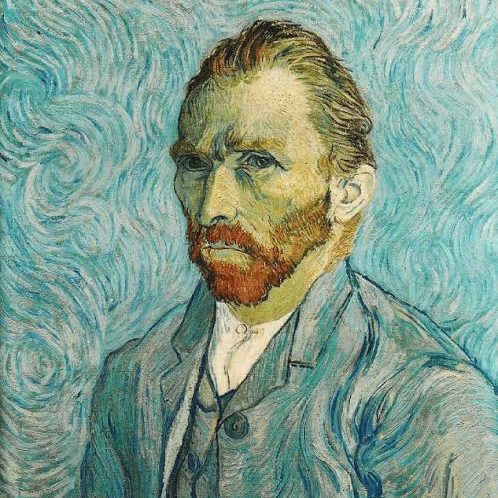
Vincent van Gogh
Dutch painter

Mitski Miyawaki
American singer-songwriter
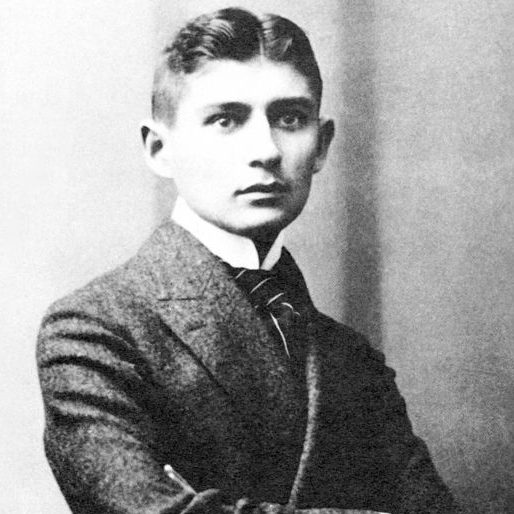
Franz Kafka
Czech novelist and writer

Shinji Ikari
Neon Genesis Evangelion